BPC-157 capsules vs the vial: which format the evidence used
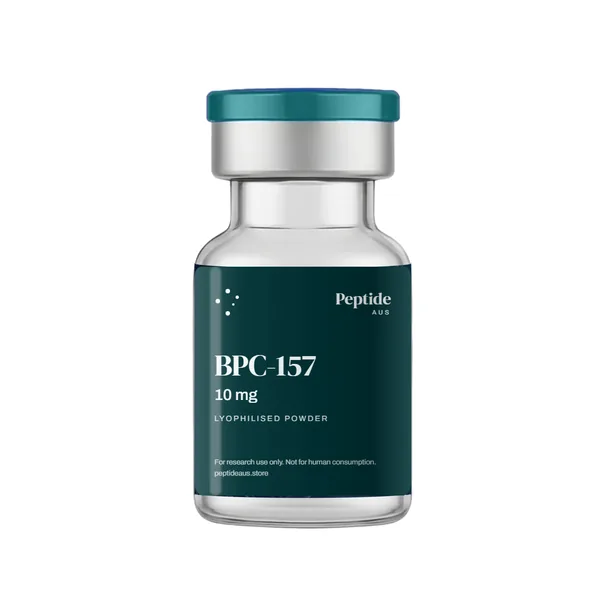
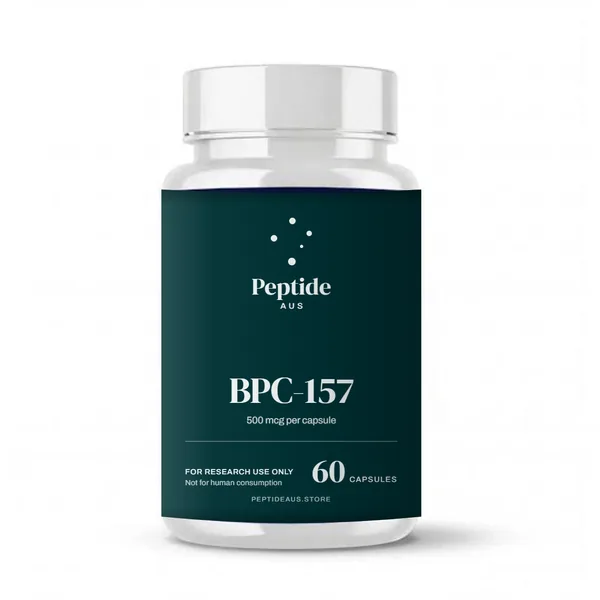
Most published BPC-157 research used the peptide in solution, reconstituted from lyophilised powder, for tendon, ligament, muscle and nerve models. The gut studies that started the field gave BPC-157 orally, because it survives gastric acid and acts on the intestinal lining. Peptide Aus stocks both formats: the 10mg vial and 500 mcg capsules, 60 per bottle, for research use.
What the musculoskeletal studies used
The tendon, ligament, muscle and nerve studies that make up most of the BPC-157 literature administered the peptide in solution, either systemically or at the injury site. Those are the results people mean when they cite BPC-157's repair research, and a reconstituted vial is the format that reproduces them.
Where oral BPC-157 has evidence
BPC-157 was first studied in gastric and intestinal injury models, and in those studies it was given orally in drinking water. It is stable in gastric acid, and it acts directly on the gut lining, so oral delivery is the natural format for gastrointestinal research questions. How much reaches systemic circulation after oral dosing is not established, which is why oral and injectable data are not interchangeable.
The capsules
Peptide Aus BPC-157 capsules contain 500 mcg of BPC-157 each, 60 capsules per bottle, 30mg in total. They are made for oral and gastrointestinal research designs where a fixed quantity per unit is more useful than a solution, and they carry the same research-only status as the vial, with a batch certificate available on request.
The vial
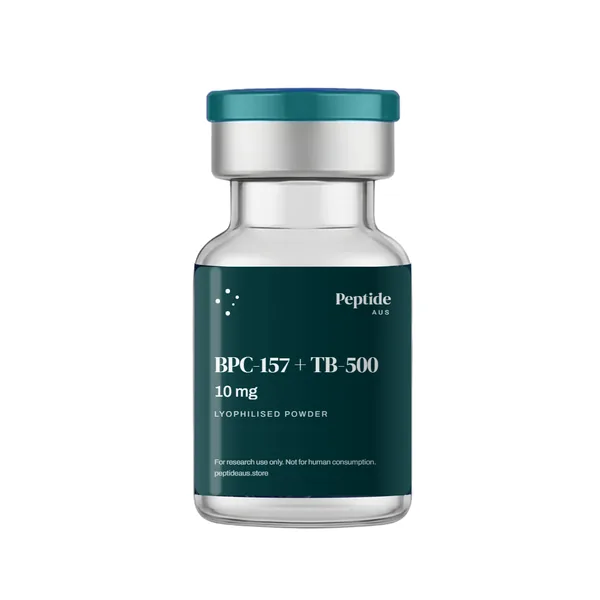
BPC-157 (10mg) as lyophilised powder is reconstituted with bacteriostatic water to whatever concentration a protocol needs. It suits the injury-model designs above and any work that needs a solution of known concentration. The BPC-157 + TB-500 (10mg) blend is also a vial.
Choosing a format
Oral or gut-lining research question, fixed quantity per unit: capsules. Tissue-repair models, defined concentration, local or systemic delivery in an animal or cell model: the vial. Both are research reagents; neither is approved for human use, and Peptide Aus does not provide dosing guidance for people.
Frequently asked questions
Does oral BPC-157 work?
In gut-injury models, oral BPC-157 produced protective effects. For musculoskeletal and systemic questions, the published work used the peptide in solution and there is no equivalent oral data.
How much BPC-157 is in a bottle of capsules?
Sixty capsules at 500 mcg each, so 30mg per bottle.
Do you sell a BPC-157 nasal spray?
No. Vials and capsules only.
How is the vial reconstituted?
With bacteriostatic water added slowly down the inside of the vial, then swirled. Our reconstitution guide and calculator cover the volumes.
Kits
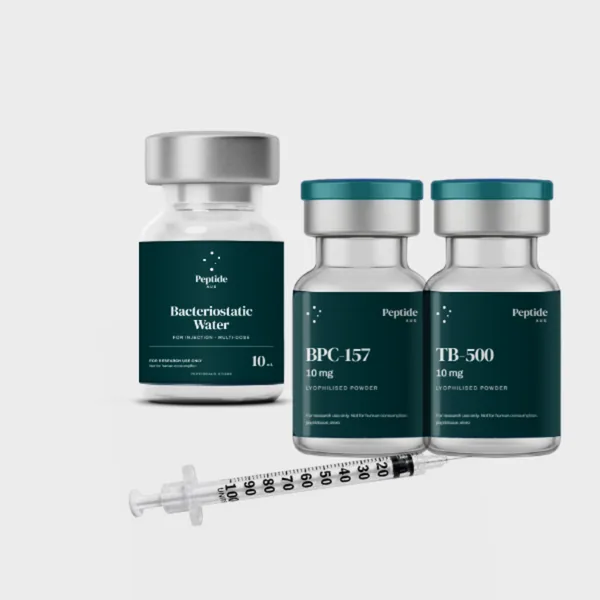
Tissue Repair Pair (BPC-157 + TB-500)
BPC-157 and TB-500 as separate 10mg vials with water, forty syringes and swabs.
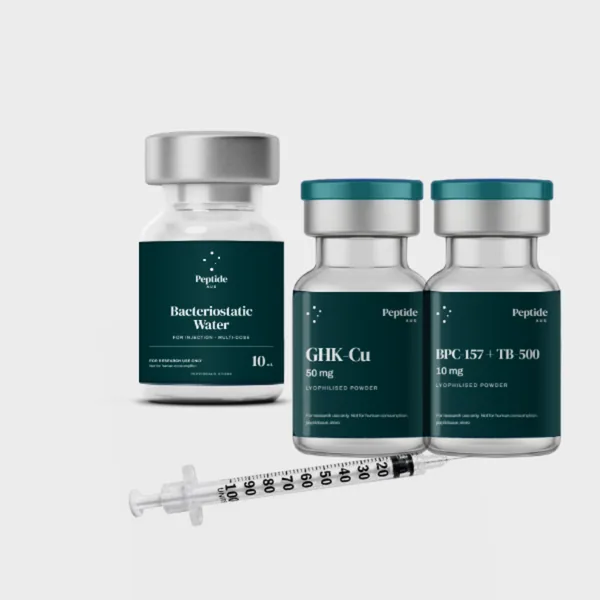
Build-Your-Own GLOW
GHK-Cu 50mg plus the BPC-157 + TB-500 blend, with water, forty syringes and swabs: GLOW's components as separate vials.
Related products