How to reconstitute a lyophilised peptide
Add bacteriostatic water slowly down the inside wall of the vial, let it dissolve, and swirl gently without shaking. The volume sets the concentration: 10mg in 2 mL gives 5 mg/mL. Most peptide vials take 1–3 mL; NAD+ 500mg takes 5 mL and glutathione 600mg takes 6 mL. Refrigerate at 2–8 °C after reconstitution and use within 8–12 weeks.
What is in the vial
A lyophilised peptide is freeze-dried into a small cake or film at the bottom of the vial. The milligram figure on the label is the weight of that powder. It is not a volume, and the vial is not 'empty' because the powder is barely visible. Reconstitution is simply dissolving it in a known volume so concentration is defined.
Materials
The vial, bacteriostatic water (0.9% benzyl alcohol, which keeps the solution usable for weeks), a sterile syringe to transfer the water, and alcohol swabs for the stoppers. Sterile water without preservative works for single-use preparation but the solution should not be kept.
Method
Swab both stoppers. Draw the intended volume of bacteriostatic water. Insert the needle through the vial stopper and direct the stream down the inside glass wall, not onto the powder, to avoid foaming and denaturing the peptide. Let the water sit for a minute, then swirl the vial gently until the solution is clear. Do not shake. Label the vial with the date and concentration.
How much water
| Vial | Suggested water | Resulting concentration |
|---|---|---|
| BPC-157 (10mg) | 2 mL | 5 mg/mL |
| GHK-Cu (100mg) | 3 mL | 33.3 mg/mL |
| GHK-Cu (50mg) | 3 mL | 16.7 mg/mL |
| Glutathione (600mg) | 6 mL | 100 mg/mL |
| KLOW Peptide Blend (80mg) | 3 mL | 26.7 mg/mL |
| NAD+ (500mg) | 5 mL | 100 mg/mL |
| Retatrutide (10mg) | 1 mL | 10 mg/mL |
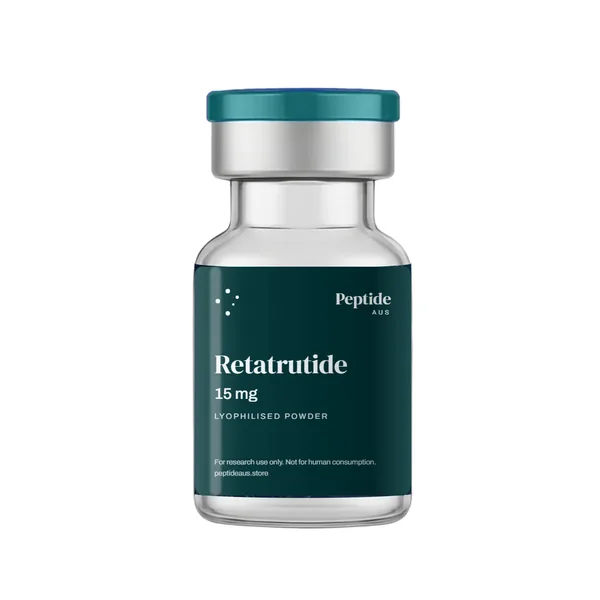
| Retatrutide (15mg) | 1.5 mL | 10 mg/mL |
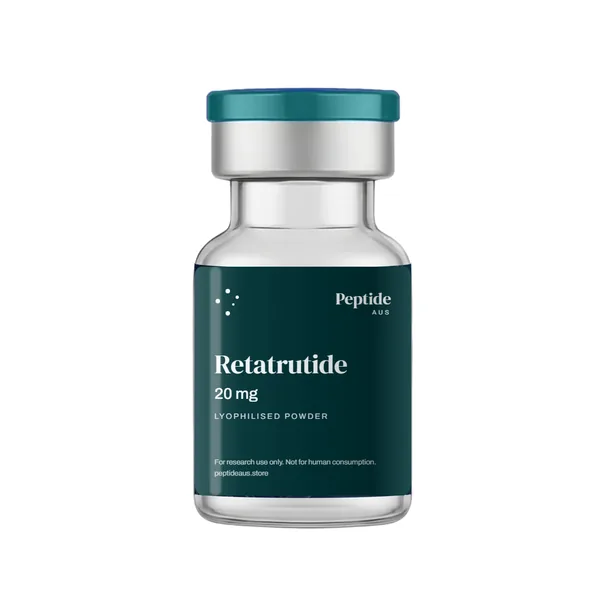
| Retatrutide (20mg) | 2 mL | 10 mg/mL |
| Retatrutide (30mg) | 3 mL | 10 mg/mL |
| Retatrutide (60mg) | 3 mL | 20 mg/mL |
| Tesamorelin (10mg) | 1 mL | 10 mg/mL |
| Tesamorelin (20mg) | 2 mL | 10 mg/mL |
| Tesamorelin (5mg) | 1 mL | 5 mg/mL |
| Tirzepatide (20mg) | 2 mL | 10 mg/mL |
| Tirzepatide (40mg) | 2 mL | 20 mg/mL |
| Tirzepatide (60mg) | 3 mL | 20 mg/mL |
These are handling suggestions for laboratory preparation, not dosing guidance. Any volume that fully dissolves the peptide is valid; the calculator converts vial size and volume to mg/mL and to syringe units for measuring out solution.
Storage after reconstitution
Refrigerate at 2–8 °C, protected from light. Do not freeze the solution, which can damage the peptide. Use within 8–12 weeks. Unopened lyophilised vials store at −20 °C for long periods; see the storage guide.
If the solution is cloudy
A properly reconstituted peptide solution is clear. Cloudiness or particles after gentle swirling suggest the peptide has aggregated or the water was contaminated. Do not use the solution; contact us with the batch number and a photo.
Frequently asked questions
Can I use sterile water instead of bacteriostatic water?
Yes for immediate use, but the solution has no preservative and should not be stored.
Why does my vial look empty?
The powder is milligrams by weight and sits as a thin film. That is normal. Reconstitute as usual.
Where is the reconstitution volume for my vial?
On each product page under specifications, and in the calculator's presets.
Kits

Retatrutide Starter Kit (10mg vial)
Everything for a first retatrutide vial: 10mg vial, 30 mL bacteriostatic water, syringes and swabs.

Retatrutide Starter Kit (20mg vial)
The 20mg retatrutide vial with bacteriostatic water, twenty syringes and swabs.

Retatrutide Pen Kit (15mg)
15mg premixed retatrutide pen with twenty pen needles and swabs. Nothing to mix.

Related products