
Skin and cellular research peptides in Australia
GHK-Cu is the second most searched peptide in Australia after retatrutide, with over 80,000 monthly searches across its spellings, and most of them are about form: topical serum versus injection, dosage, before-and-after results and side effects. This category holds GHK-Cu in two vial sizes, the GLOW blend that pairs it with BPC-157 and TB-500, the telomerase peptide epitalon, and research-grade glutathione.
Compounds in this category
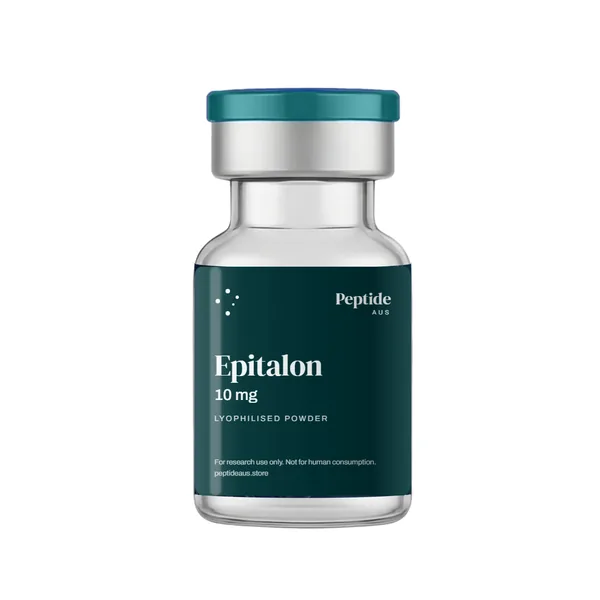
Epitalon
Synthetic tetrapeptide (Ala-Glu-Asp-Gly) modelled on epithalamin
Epitalon is a four-amino-acid peptide designed in St Petersburg to reproduce the activity of epithalamin, a pineal-gland extract. Most of its literature comes from the Khavinson group and concerns telomerase activation, circadian melatonin rhythm and lifespan in animal models. Cultured human fibroblasts showed telomerase activation and longer telomeres; aged rats and mice showed normalised melatonin rhythm and longer lifespan in the Khavinson group's studies.
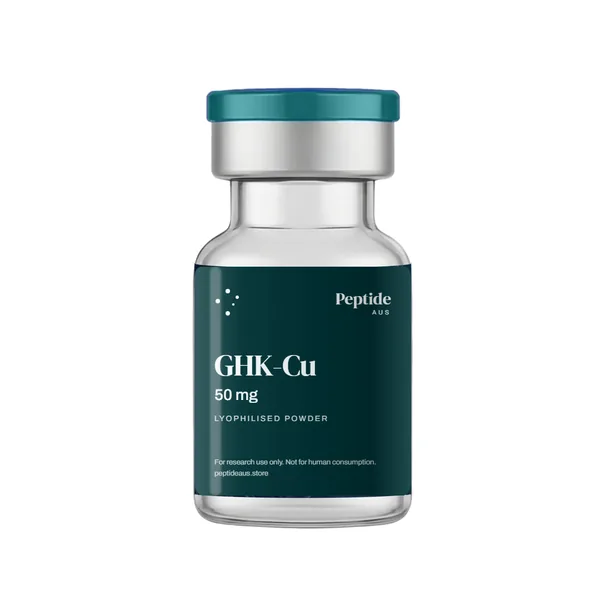
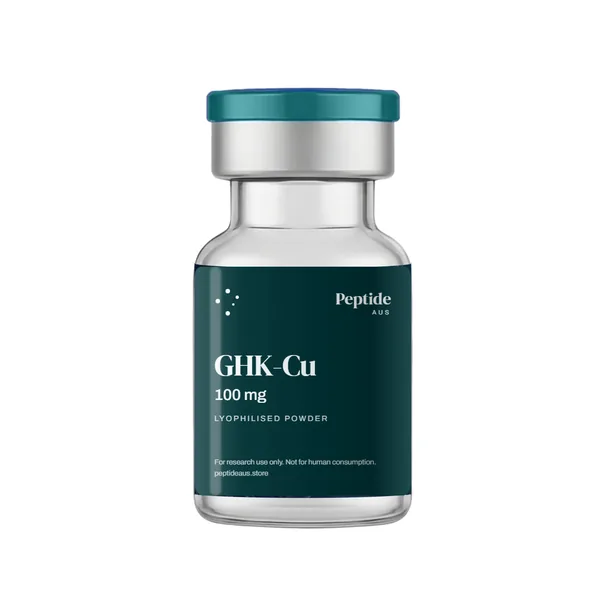
GHK-Cu
Copper-binding tripeptide (glycyl-L-histidyl-L-lysine:Cu²⁺)
GHK-Cu is a naturally occurring tripeptide that binds copper with high affinity. It was first isolated from human plasma in 1973, where its concentration falls from roughly 200 ng/mL in young adults to about 80 ng/mL by age 60. Twelve-week controlled facial studies reported increased skin thickness and density on ultrasound, improved elasticity and reduced wrinkle depth on profilometry; wound studies reported faster closure; follicle cultures showed increased follicle size.
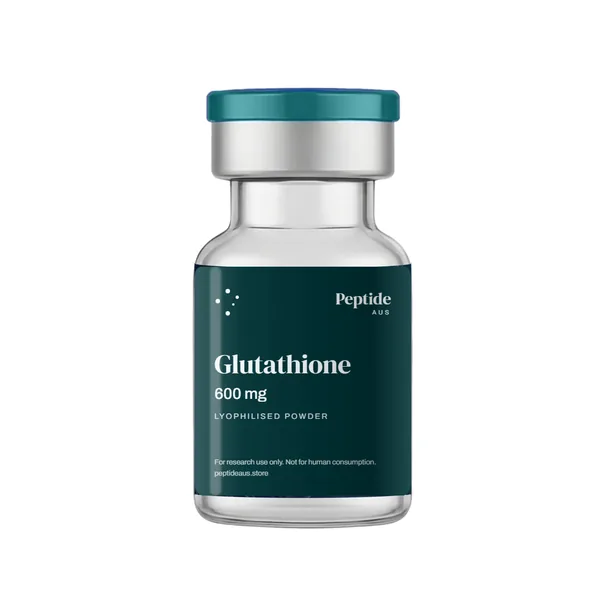
Glutathione
Endogenous tripeptide antioxidant (γ-glutamyl-cysteinyl-glycine)
Glutathione is the most abundant intracellular antioxidant, a tripeptide of glutamate, cysteine and glycine found in millimolar concentrations in every cell. It buffers reactive oxygen species, recycles vitamins C and E, and carries out phase II detoxification in the liver. Oral glutathione trials reported modest increases in blood glutathione with mixed functional endpoints; intravenous studies in skin pigmentation and liver disease reported short-term changes.
Skin & Cellular Research at a glance
| Compound | Class | Formats | From | Studied for |
|---|---|---|---|---|
| Epitalon | Synthetic tetrapeptide (Ala-Glu-Asp-Gly) modelled on epithalamin | 10mg | $79.99 | Telomerase activity, Circadian rhythm |
| GHK-Cu | Copper-binding tripeptide (glycyl-L-histidyl-L-lysine:Cu²⁺) | 50mg, 100mg | $99.99 | Collagen and elastin synthesis, Wound healing |
| Glutathione | Endogenous tripeptide antioxidant (γ-glutamyl-cysteinyl-glycine) | 600mg | $79.99 | Redox biology, Detoxification |
GHK-Cu: the copper peptide
Glycyl-L-histidyl-L-lysine bound to copper occurs naturally in plasma and falls with age. It delivers copper to lysyl oxidase and superoxide dismutase and, independently, resets the expression of thousands of genes in cultured cells toward a younger profile. The human skin data are topical: twelve-week controlled studies of creams at 0.01–0.1% reported thicker, more elastic skin and reduced wrinkle depth on profilometry. Injectable data are animal and cell work only. The topical-versus-injectable guide and the before-and-after evidence guide answer the two biggest GHK-Cu search clusters directly, and the side-effects guide covers copper and the limits of the safety data.
GLOW, epitalon and glutathione
GLOW adds BPC-157 and TB-500 to GHK-Cu in one vial for combined skin and repair designs; 'glow peptide' and 'glow stack' searches run to several thousand a month and the GLOW vs KLOW guide explains the difference. Epitalon is the synthetic tetrapeptide from the St Petersburg bioregulator program, studied for telomerase activation and circadian rhythm in the Khavinson group's work. Glutathione, the cell's main thiol antioxidant, is supplied as a 600mg powder for redox and detoxification assays; clinic infusions and supplements are a different market, and the glutathione page separates them.
Sizes, water and handling
GHK-Cu comes in 50mg and 100mg vials, each reconstituted with 3 mL of bacteriostatic water, and the 100mg halves the cost per milligram. GLOW is 50mg or 70mg (3 mL), epitalon 10mg (2 mL), glutathione 600mg (6 mL, the largest volume on the site). The GHK-Cu skin pack bundles two 100mg vials with water and syringes for twelve-week designs.
Legal status in Australia
GHK-Cu is a permitted cosmetic ingredient at topical concentrations, which is why serums are sold openly; injectable or research-grade GHK-Cu is not approved for human use. Epitalon and glutathione powder are research reagents; none of these products is a registered medicine or cosmetic. Peptide Aus supplies them for in-vitro laboratory research.
Frequently asked questions
GHK-Cu serum or the research vial?
Serums are the form the human skin studies used; the vial is the unformulated copper complex for laboratory and formulation work.
GHK-Cu 50mg or 100mg?
100mg for longer protocols at half the per-mg price; 50mg for shorter cell or formulation work.
What does 'GHK-Cu before and after' refer to?
Twelve-week topical trials measuring skin thickness, elasticity and wrinkle depth. Forum injection photos are not part of that record.
What is in GLOW?
GHK-Cu, BPC-157 and TB-500. KLOW adds KPV.
Is GHK-Cu legal in Australia?
As a cosmetic ingredient, yes. Research-grade vials are for laboratory use and are not approved for human use.
Research use only: every product in this category is intended for in-vitro laboratory research. Not for human or veterinary use.